Colorful Seamless Patterns: A Designer's Review
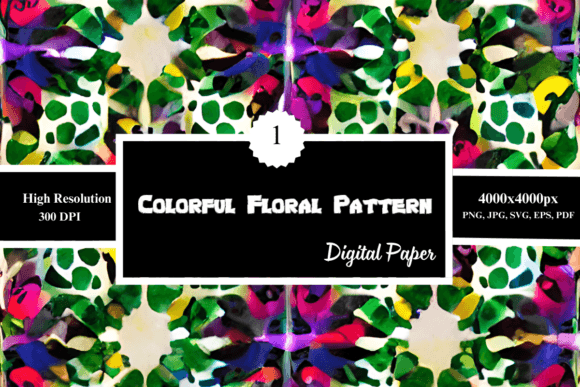
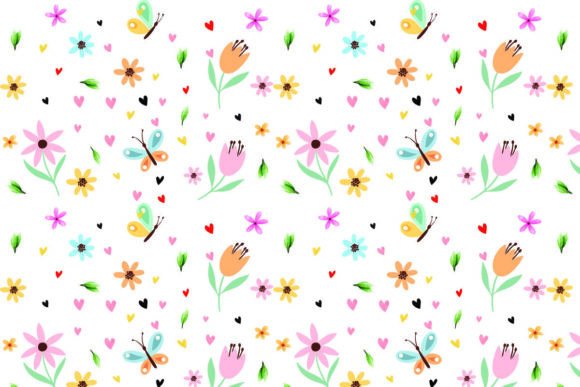
When I first opened the Colorful Seamless Patterns file, my initial reaction was one of genuine excitement. As someone who has spent years evaluating embroidery designs for client projects and my own boutique line, I know that the difference between a design that sells and one that gathers dust often comes down to versatility and visual rhythm. This set doesn't just offer a single motif; it provides a toolkit of vibrant, repeating elements that feel ready to transform into high-end finished products. The mood is undeniably cheerful and energetic, suggesting a design personality that thrives in casual, lifestyle-oriented spaces rather than stiff corporate environments.
From Digital File to Stitched Reality
The true test of any embroidery design happens when it leaves the screen and lands on fabric. In my experience with machine embroidery, seamless patterns are a double-edged sword. They can create stunning, continuous textures that elevate a simple item into a statement piece, but they can also look messy if the stitch density isn't managed correctly. With Colorful Seamless Patterns, the layout feels balanced. The shapes have enough definition to hold their form during stitching, which is crucial for maintaining clarity on items like tote bag design projects or sweatshirt embroidery.
I immediately envisioned this pattern being used for a custom baby blanket or a series of nursery decor items. The bright, playful nature of the graphics suggests a natural fit for baby embroidery where parents want something that pops against soft pastels. However, I also see its potential in a more mature context, such as a kitchen towel or a pillow cover for a modern farmhouse aesthetic. The key here is how the pattern interacts with the fabric texture. On a smooth cotton canvas, the lines would likely appear crisp and professional, whereas on a nubby linen, the details might soften slightly, adding a rustic charm that could be exactly what a customer is looking for.
Real-World Application: The Custom Tote Bag Scenario
To understand the practical value of these graphics, let's walk through a real-life scenario. Imagine you are an Etsy seller preparing inventory for the upcoming holiday season. You need a unique, personalized gift option that stands out in a crowded marketplace. You decide to create a limited run of embroidered tote bags featuring Colorful Seamless Patterns.
The process begins with selecting your base fabric. For a commercial embroidery project like this, a heavy-duty canvas or a sturdy twill works best to support the weight of the stitches. When digitizing or placing the design, the seamless nature allows you to fill the entire front panel of the bag without awkward gaps or repetitive edges that scream "cheap." The result is a cohesive, high-value look that justifies a higher price point. Customers browsing your shop will see a product that looks professionally crafted, not just slapped together with a clip-art image.
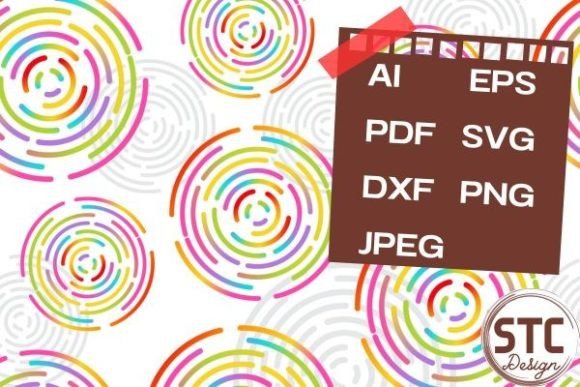
Furthermore, the inclusion of various file formats—PNG, EPS, SVG, JPG, and DXF—means you aren't limited to just the machine. You can use the vector files (EPS, SVG) to create mockups for your online store, showing potential buyers how the design looks on different colored backgrounds before they even commit to buying. This ability to create printable mockups is essential for modern digital product sellers and craft business owners who need to visualize their finished product before production begins.
Where Caution is Key
While the potential is high, every experienced designer knows that there are specific situations where a design like Colorful Seamless Patterns requires careful handling. If you are working with small hoop sizes, such as those found on home machines, you must be mindful of the scale. A pattern that looks expansive on a large banner might become cluttered and lose its detail when shrunk down to fit a 4x4 inch hoop on a cap or a small embroidered patch.
Texture is another critical factor. While this design shines on flat surfaces, applying it to highly textured fabrics or stretchy materials like jersey knit can lead to puckering or distortion. The stitch density needs to be appropriate for the fabric type. If the design calls for dense fill stitches, using it on a thin fabric without proper stabilizer could cause the material to tear or the stitches to pull through. Similarly, on dark fabrics, the thread colors need to be chosen carefully to ensure sufficient contrast. A light pastel pattern might get lost on a black background unless you use a high-density underlay or a brighter thread palette.
Curved surfaces present another challenge. While embroidery file software can handle curves, placing a complex seamless pattern on the curved crown of a hat requires precise placement to avoid the design looking warped. It is always wise to test the design on scrap fabric first, checking how the threads lay and ensuring that the running stitch or satin stitch elements don't snag on the fabric weave.
Visual Appeal and Brand Consistency
In the world of handmade goods and small shop products, consistency is everything. Colorful Seamless Patterns offers a level of visual appeal that can help build brand recognition. When customers see a recurring theme across your apparel decorators portfolio, they begin to associate that style with your quality. Whether you are creating holiday gifts, wedding favors, or personalized products, having a cohesive design asset library ensures that your work feels unified and professional.
The design's personality also influences customer trust. A well-executed seamless pattern suggests attention to detail and a commitment to craftsmanship. It elevates a simple item like a tea towel or a pillow cover from a basic commodity to a decorative art piece. This perceived value is what drives engagement and sales in the craft business. Buyers are willing to pay more for items that look like they were made with care and precision, and that is exactly what a well-stitched version of this pattern delivers.
Practical Notes for the Designer
Before you dive into production, there are a few technical steps you should take to ensure success. First, verify the licensing terms. Since this is listed under Freebies, confirm whether you are allowed to sell finished items made with the design or if it is restricted to personal use only. This is a common pitfall for creative entrepreneurs who assume all free downloads are commercial-ready.
Next, review the stitch density and thread colors. If the design includes tiny lettering or intricate corners, inspect them closely to ensure they won't disappear after washing. Test the design in black and white mockups to check the balance of light and dark areas, which helps predict how the final product will look on different fabric colors. Always use the correct stabilizer for your fabric type to prevent shifting and distortion.
Finally, consider the end-use. Is this design intended for a digital embroidery file that will be sold to others, or is it for your own production? If you are selling the design itself, ensure the files are clean and compatible with major embroidery machines. If you are making physical goods, think about the durability of the finish. Will the item be washed frequently? If so, ensure the stitches are secure and the thread quality is high enough to withstand wear and tear.
Ultimately, Colorful Seamless Patterns is a versatile asset that can serve both hobbyists and professionals alike. Its strength lies in its adaptability and visual impact, provided it is handled with the right technical knowledge. By testing thoroughly and understanding the limitations of your equipment and materials, you can turn this digital download into a profitable, beautiful addition to your collection of design assets.