Hand Drawn Seamless Star Pattern, Svg: A Designer's Real-World Review
As someone who has spent years reviewing embroidery files for both personal crafting and commercial boutique lines, I have learned that the difference between a "nice-looking" digital graphic and a truly successful embroidery project lies in execution. You can have the most beautiful concept on your screen, but if it does not translate well to thread, fabric tension, and stitch density, the final result will disappoint. Today, I am putting the Hand Drawn Seamless Star Pattern, Svg through its paces to see how it performs when moving from a digital asset to a tangible handmade product.
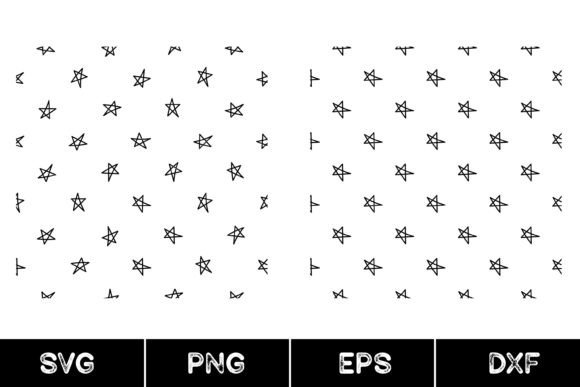
The moment you open this file, the first impression is one of whimsical charm. The "hand drawn" aesthetic suggests an organic, imperfect quality that stands out against the rigid precision often found in machine-generated vector art. For designers looking to add a touch of soul to their custom apparel or personalized gift items, this design offers a distinct visual personality. It feels less like a corporate logo and more like a sketch brought to life, which creates an immediate emotional connection with customers browsing Etsy listings or walking through a craft fair booth.
From Screen to Stitch: A Real-Life Scenario
To understand the true value of this embroidery file, let us imagine a specific use case. Suppose you are preparing a batch of custom tote bags for a local artisan market. These bags are made of heavy-duty canvas, intended for carrying books, art supplies, or groceries. The goal is to create a subtle yet striking focal point that elevates the item from a generic utility bag to a branded small shop product.
I would recommend placing the Hand Drawn Seamless Star Pattern, Svg as a repeating motif across the bottom hem of the tote or clustered in the center of the front panel. Because the pattern is seamless, it allows for creative layout options that feel cohesive rather than repetitive. When stitched onto the canvas, the star shapes should offer a delightful contrast to the rough texture of the fabric. The hand-drawn nature of the design softens the look, making the finished product feel approachable and warm—exactly the vibe that drives sales for holiday gifts or wedding favors.
Now, consider a different application: baby clothes. The same design could be adapted for a onesie or a nursery pillow cover. In this context, the stars act as a gentle decorative accent. However, the transition from a digital preview to a physical finished product requires careful consideration of scale. If the stars are too large, they might overwhelm a small infant garment; if too small, the intricate details might get lost in the stitching process.
Where This Design Shines
The versatility of this Patterns and Graphics collection makes it suitable for a wide array of applications. It excels in projects where a sense of creativity and individuality is paramount. Here are a few scenarios where the Hand Drawn Seamless Star Pattern, Svg naturally fits:
- Apparel Decor: Sweatshirts, t-shirts, and denim jackets benefit from the relaxed style of this design. It adds character without appearing overly formal.
- Home Textiles: Pillow covers, tea towels, and kitchen aprons are perfect canvases for a seamless star pattern. The repetition works beautifully here, creating a border or a full-surface texture.
- Baby & Nursery: Soft fabrics like cotton blends allow the stars to appear delicate and dreamy, ideal for baby embroidery projects.
- Commercial Merchandise: For Etsy sellers and creative entrepreneurs, this design serves as a high-value asset. It can be used to create unique embroidered patches or to brand packaging for handmade goods.
Critical Considerations for Stitching Success
While the design is charming, no professional designer would advise using it without caution. Every machine embroidery design has limitations based on the physical properties of thread and fabric. There are specific situations where you must exercise extreme care to ensure the integrity of the stitch density and overall appearance.
First, avoid using this design on very small hoop sizes unless you are willing to sacrifice some detail. The hand-drawn lines may contain fine curves that require adequate space to be rendered clearly. If you attempt to shrink it down too much for a cap brim or a tiny pocket, the threads may bunch up, leading to puckering or a loss of definition.
Textured fabrics present another challenge. While the design looks great on smooth canvas or linen, highly textured materials like chunky knits or bouclé can obscure the details of the stars. Similarly, thin or stretchy fabrics require a robust stabilizer to prevent distortion. Without proper support, the tension of the satin stitch or fill stitch sections could pull the fabric out of shape, ruining the handmade product.
Dark fabrics also demand attention. If you plan to embroider light-colored thread on a dark background, ensure the design includes sufficient underlay stitches to cover the base fabric. Otherwise, the colors may bleed through, diminishing the visual appeal of the stars. Conversely, on light fabrics, you have more flexibility with thread choices, allowing you to play with contrasting colors to enhance the visual appeal.
Practical Notes for the Professional Designer
Before committing to a production run or selling a commercial embroidery item, there are several steps every designer should take. First and foremost, always test the design on scrap fabric that matches your final material. This simple step reveals issues with thread tension, needle size, and stabilizer type that you cannot predict from a screen.
Review the stitch density closely. High-density areas can cause the fabric to become stiff and difficult to wear, especially on garments like sweatshirts or hats. If the design feels too dense, consider adjusting the settings in your digitizing software or choosing a lighter weight stabilizer. Additionally, inspect the small details of the stars. Are the corners sharp? Do the curves flow smoothly? If the original file lacks resolution, these areas may break apart during stitching.
It is also wise to test the design in black and white mockups before finalizing your color palette. This helps you visualize how the negative space interacts with the positive elements. Furthermore, compare the design on both light and dark backgrounds to ensure it remains legible and attractive in various contexts. Finally, confirm the licensing terms provided by the creator. Even though the file formats (SVG, PNG, EPS10, DXF) are standard, you must verify whether you are allowed to sell finished products created with this digital embroidery file or if it is restricted to personal use only.
Final Thoughts on Value and Trust
In the world of craft business and digital product sellers, consistency is key. Using a design like the Hand Drawn Seamless Star Pattern, Svg signals to your customers that you care about the aesthetic quality of your work. It shows that you have thoughtfully selected assets that align with your brand identity. When a customer receives a personalized gift or a boutique product that features clean, well-executed embroidery, their trust in your brand grows.
This design is not just a collection of shapes; it is a tool for building a reputation for quality. Whether you are decorating a single kitchen towel for a friend or producing a line of apparel decorators for a retail store, the success of the project depends on how well you adapt the design to the medium. By respecting the limitations of the fabric and the mechanics of the machine, you can turn a simple star pattern into a standout feature that delights users and drives engagement.
Ultimately, the Hand Drawn Seamless Star Pattern, Svg offers a blend of artistic flair and practical utility. It is a strong candidate for anyone seeking to elevate their embroidery project with a touch of hand-crafted charm. Just remember to test thoroughly, choose the right materials, and let the design shine through the thread.