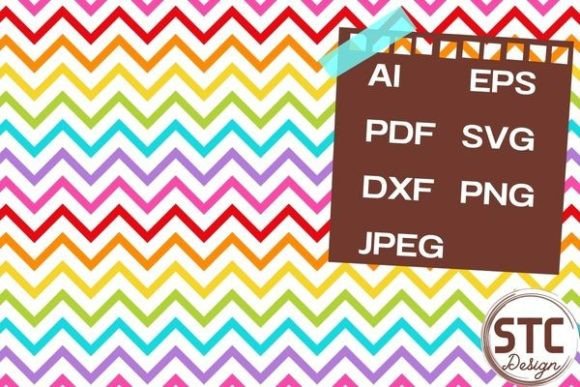
Zigzag Rainbow Digital Paper Patterns Review
When I first opened the folder for Zigzag Rainbow Digital Paper Patterns, my immediate reaction was one of cautious optimism. As a designer who has spent years navigating the often chaotic world of digital assets for physical production, I know that a pretty preview image does not always translate to a successful stitch-out. This product is categorized under Patterns and Graphics, but its true potential lies in how it bridges the gap between digital creativity and tangible embroidery projects. The concept is simple yet vibrant: a zigzag motif rendered in a spectrum of rainbow hues. It promises energy, playfulness, and a modern aesthetic that could elevate everything from a nursery wall hanging to a boutique t-shirt line.
However, before I committed this design to my machine or my client's order book, I had to ask myself the hard questions. Does this pattern hold up when converted into stitches? Can it survive the friction of a washing machine? And most importantly, does it add value to a handmade product or does it look like a cheap print?
The First Stitch-Out Impression
The visual personality of Zigzag Rainbow Digital Paper Patterns is undeniably cheerful. In its digital form, the shapes are crisp, and the color transitions suggest a dynamic flow that mimics a stitched rainbow. When I pulled up the file on my screen to simulate a satin stitch application, the geometry held together well. The zigzag shape is inherently stable; unlike complex curves that can pucker or distort on tight fabrics, the angular nature of these lines provides a solid foundation for stitching.
The mood it creates is perfect for projects that need to communicate joy and inclusivity. It feels at home in a children's clothing line, a summer festival tote bag, or a personalized gift for a creative entrepreneur. The pattern suggests movement, which is exactly what you want in embroidery—a design that seems to ripple across the fabric rather than sitting flat and lifeless. For an Etsy seller looking to create a standout listing, this kind of visual energy is crucial for catching a customer's eye in a crowded marketplace.
Real-World Application: The Custom Tote Bag Scenario
To truly test the mettle of this design, I decided to run a real-life simulation. Imagine a scenario where a small business owner orders a batch of custom embroidered tote bags for a local craft fair. They want something unique that screams "handmade" without being overly complicated. They choose Zigzag Rainbow Digital Paper Patterns as the central graphic for the bag's front panel.
In this context, the design shines. A tote bag offers a large, relatively flat canvas, allowing the full spectrum of the rainbow to breathe. If executed correctly with high-quality thread colors, the result would be a statement piece that customers would be eager to photograph and share on social media. The pattern works beautifully as a background texture behind a logo or as a standalone border running along the bottom hem of the bag. It adds a layer of professionalism to the finished product, signaling that the maker cares about detail and aesthetics.
Furthermore, this design fits seamlessly into the broader ecosystem of a craft business. It isn't just a single image; it is a versatile asset. You could use variations of this pattern to create matching patches for denim jackets, decorative accents on aprons, or even subtle lining details inside leather journals. The versatility here is significant because it allows a creator to maintain brand consistency across different product types without reinventing the wheel every time.
Where to Exercise Caution
Despite its strengths, Zigzag Rainbow Digital Paper Patterns is not a universal solution for every embroidery project. There are specific scenarios where this design requires careful consideration or might simply fail. One major area of concern is the hoop size. Because the pattern relies on a continuous flow of lines, attempting to stitch it in a very small hoop can result in a cramped, muddy appearance. The individual zigzags may lose their definition, turning into a blur of color rather than a distinct pattern.
Textured and stretchy fabrics also present challenges. If you attempt to apply this design to a thin, loosely woven cotton or a highly stretchy jersey knit without proper stabilization, the tension of the stitches will likely cause the fabric to pucker around the dense areas of the rainbow. Dark fabrics require another layer of thought; while the rainbow colors are bright, they may lack the necessary contrast against a black or navy background unless you utilize a specific underlay technique or a contrasting thread color for the outline. Additionally, curved surfaces like caps can distort the straight lines of the zigzag, making the pattern look uneven if the digitization does not account for the curvature of the hat.
Finally, consider the durability aspect. Designs with high stitch density, which this pattern might require to fill the zigzag shapes effectively, can become stiff. For items that need to be washed frequently, such as kitchen towels or baby clothes, excessive stiffness can lead to cracking over time. It is essential to review the stitch density settings before finalizing the production run.
Design Notes for the Professional Maker
If you are planning to integrate Zigzag Rainbow Digital Paper Patterns into your commercial embroidery projects, there are several practical steps you must take to ensure success. First and foremost, always test the design on scrap fabric that matches your intended project material. Do not skip this step. What looks good on a white screen might behave differently on a textured linen or a shiny polyester blend.
Pay close attention to thread color contrast. The beauty of a rainbow pattern lies in its variety, but if the threads are too similar in value, the design will lose its pop. Test the design in black and white mockups to see if the structure holds up without the distraction of color. This helps identify any weak points in the stitch layout or areas where the design might look too busy.
Confirming the licensing terms is equally critical. Before selling finished items featuring this design, verify whether the license allows for commercial use. Some digital products restrict the number of units you can produce or prohibit resale entirely. Check the file formats provided to ensure compatibility with your embroidery machine software. If the design includes applique elements, plan your cutting and positioning carefully to avoid bulkiness.
For those using this as a digital asset for printable mockups, ensure that the resolution is high enough to render clearly in your marketing materials. A low-resolution version of Zigzag Rainbow Digital Paper Patterns can undermine the perceived quality of your handmade products. Finally, inspect the small details of the design closely. Are the corners sharp? Is the spacing consistent? These micro-details are what separate a mass-produced item from a premium, handcrafted piece.
In conclusion, Zigzag Rainbow Digital Paper Patterns is a robust addition to any designer's toolkit, particularly for those looking to inject vibrancy into their apparel, accessories, and home decor. When applied with technical precision and an understanding of fabric behavior, it transforms from a simple graphic into a compelling visual story. Whether you are decorating a baby onesie, branding a boutique shop, or creating holiday gifts, this pattern offers a flexible and engaging way to connect with your audience. Just remember that the magic happens in the execution, so treat every stitch-out as a learning opportunity to refine your craft.