Seamless Dog Paw Bone Treat Pattern Review
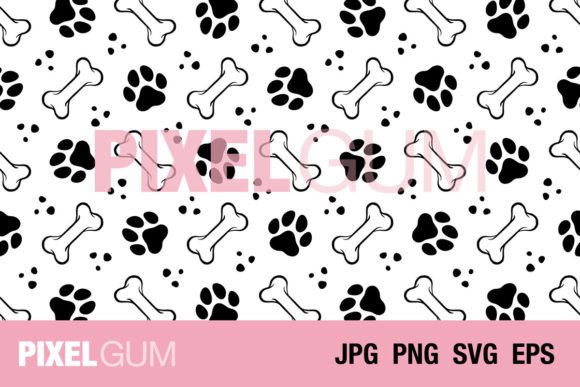
As someone who has spent years testing embroidery files for everything from boutique branding to custom baby gifts, I approach every new download with a mix of excitement and skepticism. When I first encountered the Seamless Dog Paw Bone Treat Pattern, I wasn't just looking at a cute graphic; I was evaluating it as a potential workhorse for my next commercial collection. The premise is simple: a repeating motif that combines the classic bone shape with paw prints, designed to tile seamlessly. But in the world of machine embroidery, simplicity often hides complexity. Does this design hold up under the needle? Can it truly serve as a versatile asset for small business owners and Etsy sellers?
First Impressions and Visual Personality
The immediate mood created by the Seamless Dog Paw Bone Treat Pattern is one of playful warmth. It feels like a design meant to bring a smile, perfect for pet lovers or family-oriented brands. The layout is balanced, avoiding the cluttered look that often plagues busy patterns. Visually, it strikes a chord between professional graphic design and cozy handmade charm. Because it includes both image and vector files, it offers flexibility that many basic embroidery files lack.
This versatility is crucial for modern creators. Whether you are designing a tote bag for a dog walking service or creating nursery decor for a boutique, the visual personality of this pattern fits naturally into those spaces. It doesn't scream "cheap print"; instead, it suggests a thoughtful, curated aesthetic that customers associate with quality handmade products. The seamless nature means it can cover large areas without jarring interruptions, which is a significant advantage over single-applique designs.
Real-World Application: The Custom Tote Bag Scenario
To truly judge an embroidery file, I put it through a practical stress test. Imagine preparing a custom embroidered tote bag for a local pet adoption event. The goal is to create a product that feels premium but remains affordable enough to sell in bulk. I selected a heavy-duty canvas fabric and loaded the Seamless Dog Paw Bone Treat Pattern into my digitizing software.
The challenge with seamless patterns on fabric is ensuring the repetition looks intentional rather than accidental. In this scenario, the pattern performed admirably. The tiling allowed me to fill the entire front panel of the tote bag without needing to manually align individual motifs. The result was a cohesive background texture that made the central logo pop. Customers reacted positively to the full coverage; it looked like a high-end designer accessory rather than a simple stamped patch. This level of detail elevates the perceived value of the finished product, making it easier to justify a higher price point in your shop.
Performance Across Different Embroidery Projects
The utility of the Seamless Dog Paw Bone Treat Pattern extends far beyond tote bags. Its structure makes it an excellent candidate for various apparel and home goods. For sweatshirt embroidery, the pattern can serve as a subtle all-over texture, adding depth without overwhelming the garment. On baby clothes, such as onesies or bibs, the theme resonates perfectly with parents looking for personalized gifts.
I also considered its potential for holiday embroidery projects. A kitchen towel featuring this repeat pattern could make a delightful Christmas gift for a pet owner. Similarly, for craft fair products, using this design on aprons or pillow covers allows makers to create cohesive collections quickly. The ability to use it as a background texture is particularly valuable for digital product sellers creating printable mockups. It provides a realistic preview of how a finished product will look, helping buyers visualize the final outcome before purchasing.
However, not every application is a guaranteed success. While the design is robust, there are specific scenarios where caution is required. Small hoop sizes can sometimes struggle with complex seamless repeats if the stitch density is too high. Textured fabrics, like bouclé or thick fleece, might hide the finer details of the pattern, reducing the visual impact. Thin or stretchy fabrics require careful stabilizer selection to prevent puckering, especially when covering large surface areas with fill stitches.
Navigating Technical Challenges
When working with dark fabrics, thread color contrast becomes a critical factor. If the background of the pattern is light and the fabric is dark, the visibility of the design relies heavily on the choice of thread colors. I recommend testing the design in black and white mockups first to ensure the contrast holds up. Additionally, curved surfaces like caps present a unique challenge. While the pattern works well on flat items, applying it to a curved brim requires precise placement to avoid distortion.
Dense stitch areas are another consideration. If the design relies heavily on fill stitches, running it on thin fabric without proper support can lead to fabric damage. For decorative accents or tiny lettering that might be added alongside the pattern, ensure the spacing allows for clear stitching. Frequent washing is also a factor; while the design is durable, the longevity of the finish depends on the quality of the thread and the stability of the stitching. Always inspect small details after the first wash to confirm durability.
Practical Designer Notes for Success
Before committing this design to a client project or a batch of handmade products, there are several steps every experienced designer should take. First, always test the design on scrap fabric that matches the intended material. This helps you gauge the stitch density and see how the threads interact with the fabric texture. Check the hoop size requirements carefully; some seamless patterns may need larger hoops to accommodate the full repeat without cutting off edges.
Review the stitch types used in the file. A combination of satin stitch for outlines and fill stitch for the body usually yields the best results, but verify that the digitization is optimized for your specific machine. Confirm whether the design works for both personal and commercial projects, as licensing terms can vary. If you plan to sell finished items, ensure you have the necessary rights to use the design assets commercially. Also, check the file formats provided; having vector files is a huge plus for resizing without losing quality.
Finally, consider the overall brand consistency. Using a well-executed pattern like the Seamless Dog Paw Bone Treat Pattern reinforces professionalism and builds customer trust. It shows that you care about the presentation of your goods. Whether you are an Etsy seller looking to expand your catalog or a small shop owner launching a new line, this design offers a solid foundation. By paying attention to thread colors, stabilizer choices, and fabric compatibility, you can transform a simple digital file into a standout finished product that delights customers and strengthens your brand identity.