Seamless Leopard Pattern Review
As a designer who has spent years turning digital assets into tangible, stitched reality, I approach every new download with a mix of excitement and skepticism. The market is flooded with "ready-to-stitch" files, but few truly understand the nuances of how a pattern translates from a screen to fabric under the pressure of an embroidery machine needle. Today, I am putting the Seamless Leopard Pattern through its paces to see if it holds up in real-world scenarios for small business owners, Etsy sellers, and serious hobbyists.
The First Stitch: Visual Personality and Mood
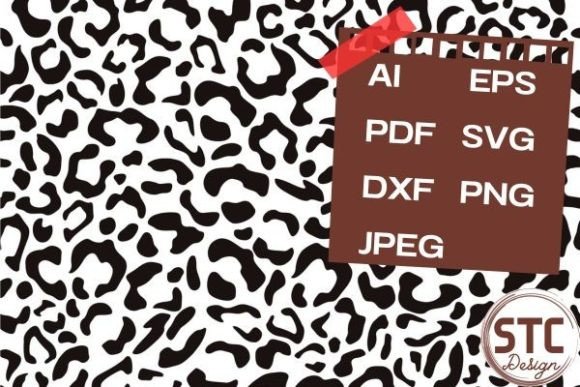
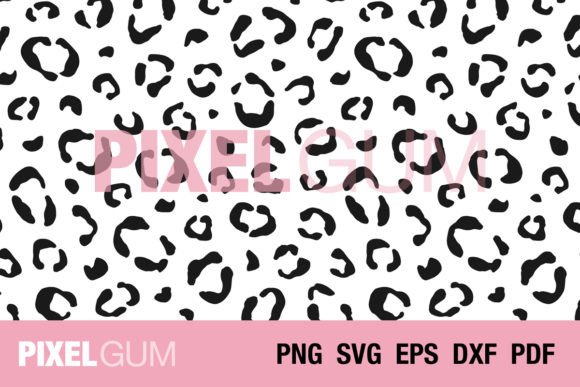
When you first open the Seamless Leopard Pattern, the immediate impression is one of bold, untamed energy. Unlike rigid geometric patterns that can feel stiff or overly corporate, this design captures the organic chaos of nature. The spots vary in size and orientation, creating a rhythm that feels natural rather than forced. This visual personality makes it an excellent candidate for projects where you want to convey confidence, style, or a touch of wild flair.
In terms of layout, the seamless nature of the file is its strongest asset. It suggests versatility right out of the box. Whether you are looking to create a full-body print on a sweatshirt or a subtle texture on a tote bag, the pattern repeats without jarring breaks. For a creative entrepreneur, this means less time worrying about alignment and more time focusing on the final product's aesthetic appeal. It strikes a balance between being trendy enough for modern fashion and classic enough to remain relevant beyond a single season.
Real-World Application: The Custom Tote Bag Scenario
To truly test the viability of this design, let us imagine a practical scenario. You are preparing for a local craft fair, and your goal is to launch a line of custom embroidered tote bags featuring unique, animal-inspired motifs. You need something that stands out on a shelf but remains wearable and stylish for everyday use. This is where the Seamless Leopard Pattern shines.
Unlike a single, isolated logo which might look lost on a large canvas, this pattern covers the entire surface area of the bag. When stitched onto a sturdy cotton canvas, the varying densities of the leopard spots create a rich, tactile texture. Customers running their hands over the finished product would feel the depth of the stitches, adding perceived value to the item. It transforms a simple $5 tote into a boutique-quality accessory worth $25 or more.
I also considered using this pattern for a baby shower gift set involving small bibs and burp cloths. The soft, rounded shapes of the spots work well on delicate fabrics, provided the stitch density is managed correctly. However, for a high-volume commercial project like holiday merchandise, the pattern allows for quick scaling. You could create matching sets of aprons, kitchen towels, and pillow covers that all share the same cohesive branding, making your shop look professional and curated.
Navigating Technical Challenges in Embroidery
While the visual potential is high, every experienced designer knows that the devil is in the details. The Seamless Leopard Pattern requires careful consideration when applied to specific materials and garment types. If you plan to use this on stretchy fabrics like jersey t-shirts or fitted caps, you must be vigilant about stabilizer selection. The pattern's density could cause puckering if the backing is insufficient, especially on curved surfaces where the fabric wants to relax.
There are also limitations regarding small hoop sizes. While the pattern is versatile, attempting to compress the full seamless repeat into a 4x4 inch hoop will result in a loss of detail. The smaller spots may merge together, losing the distinct leopard character. In such cases, it is often better to crop the pattern strategically or use it as a background element behind a focal point, rather than trying to force the entire repeat into a tiny space.
Another critical factor is thread color contrast. On dark fabrics, the lighter spots in the pattern might get lost unless you use a high-quality, opaque thread or a white underlay. Conversely, on light fabrics, the darker outlines provide definition, but you must ensure the stitch count isn't so heavy that the fabric becomes stiff and unwearable. Testing the design on scrap fabric before committing to a final customer order is not just advice; it is a necessity to avoid costly mistakes and protect your reputation.
Where to Use (and Where to Hesitate)
This design excels in applications that benefit from a textured, full-surface look. It is perfect for:
- Custom Apparel: Sweatshirts, hoodies, and denim jackets where the pattern adds a layer of visual interest without overwhelming the silhouette.
- Home Decor: Pillow covers, throw blankets, and tea towels where durability and washability are key.
- Boutique Branding: Packaging tags, hangtags, and labels that reinforce a brand's identity across multiple touchpoints.
- Digital Assets: Creating printable mockups for online listings to show customers exactly how the finished product will look.
However, caution is advised for:
- Small Accessories: Items like socks or tiny patches where the pattern detail might become muddy.
- Highly Textured Fabrics: Materials like boucle or thick fleece can hide the intricate details of the spots.
- Complex Curves: Deeply curved areas on structured hats may require extensive digitizing adjustments to prevent distortion.
Impact on Product Value and Customer Trust
In the world of handmade goods and small business merchandising, presentation is everything. A well-executed Seamless Leopard Pattern elevates the perceived quality of the finished product. Customers are increasingly savvy; they can tell the difference between a cheap, pixelated print and a high-quality embroidery job. When the pattern is stitched with precision, it signals professionalism and attention to detail.
This design fosters trust because it looks intentional and polished. Whether you are selling personalized gifts or commercial embroidery services, the consistency of the pattern helps build a recognizable brand voice. It shows that you care about the aesthetic integrity of your work. Furthermore, the versatility of the pattern allows you to cater to different niches—from the boho-chic enthusiast to the urban streetwear fan—without needing to invest in entirely new design assets.
Practical Designer Notes for Success
Before you load this file into your machine, there are several steps you should take to ensure success. First, review the stitch density settings. If the file includes both satin and fill stitches, verify that the density is appropriate for the fabric weight you intend to use. Too much density on lightweight material will cause damage, while too little on heavy canvas may result in poor coverage.
Always confirm the licensing terms. Many designers assume that purchasing a digital file grants unlimited commercial rights, but this varies by creator. Ensure you have the right to sell finished items made with the Seamless Leopard Pattern before listing them on Etsy or other marketplaces. Additionally, check the file formats provided. Having both image and vector options gives you the flexibility to resize and manipulate the design in graphic software before converting it back to an embroidery format if needed.
Finally, remember that testing is non-negotiable. Run a sample on the actual fabric you plan to use, including the specific stabilizer and thread colors. Check the result in black and white to ensure the contrast works even if the color choices change later. By taking these precautions, you transform a simple digital download into a reliable tool for your creative business.
The Seamless Leopard Pattern is more than just a pretty image; it is a functional asset for any designer looking to expand their product line. With the right technique and a clear understanding of its strengths and limitations, it can become a staple in your repertoire for creating stunning, market-ready embroidery projects.